Intro
Localizing Forma's platform across 100+ countries
Forma
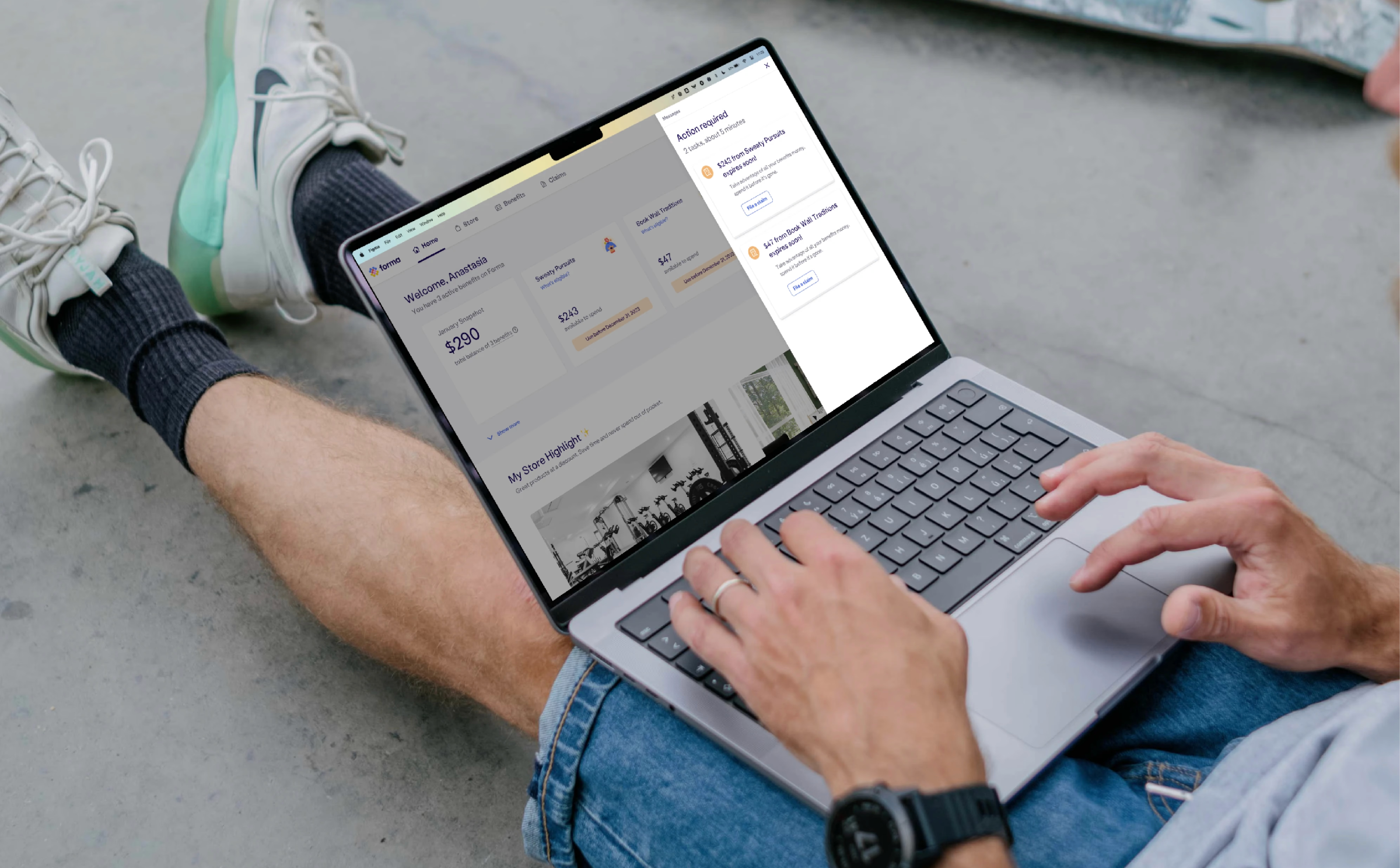
Forma is the leading life benefits platform, providing flexible and personalized benefits to a global workforce of nearly 1 million members.
My team improved accessibility for global users with localized language, currency, and address support. Adopted by 13+ major companies, unlocking $200M TAM and driving $1M in new revenue.
Challenge
The demand for global benefits was real and growing
Forma serves world-class clients with employees across multiple countries
U.S.-centered design with limited global accessibility
International users were trying to use benefits they had earned, but the platform wasn't built for them

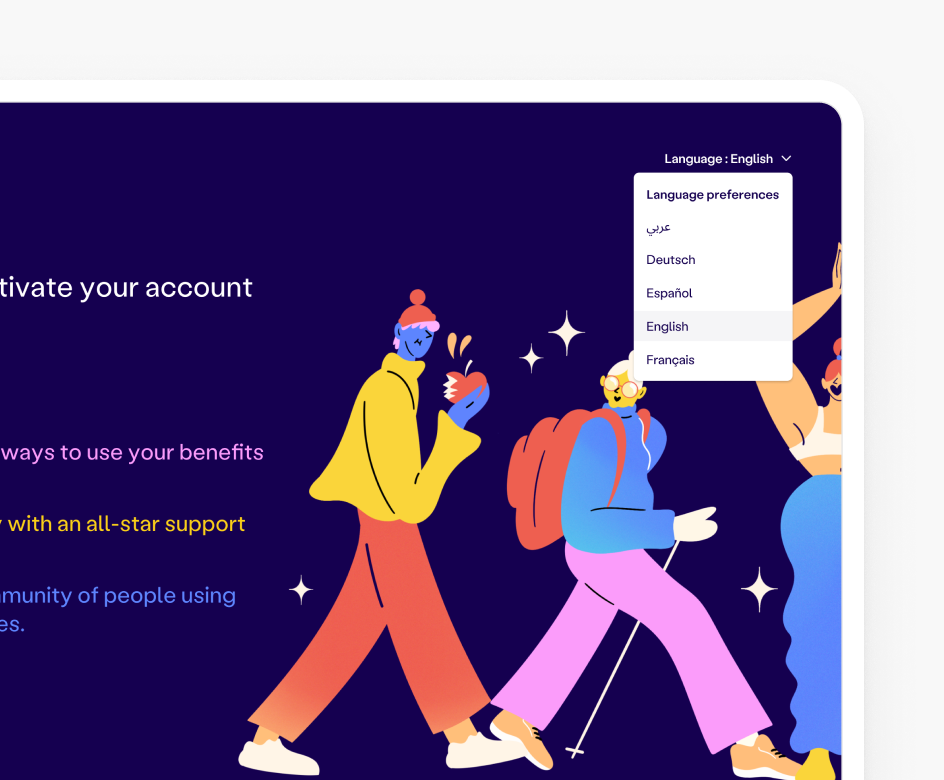
English-only platform
Users struggled with content, relying on external translation

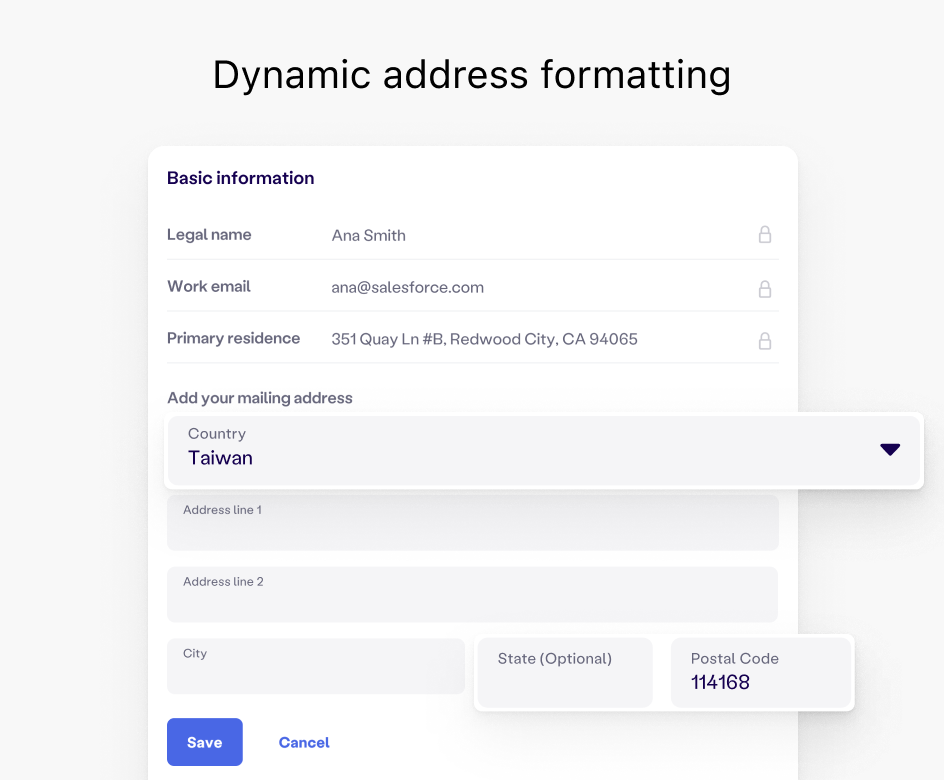
Rigid address formats
International users faced friction with unsupported local address formats

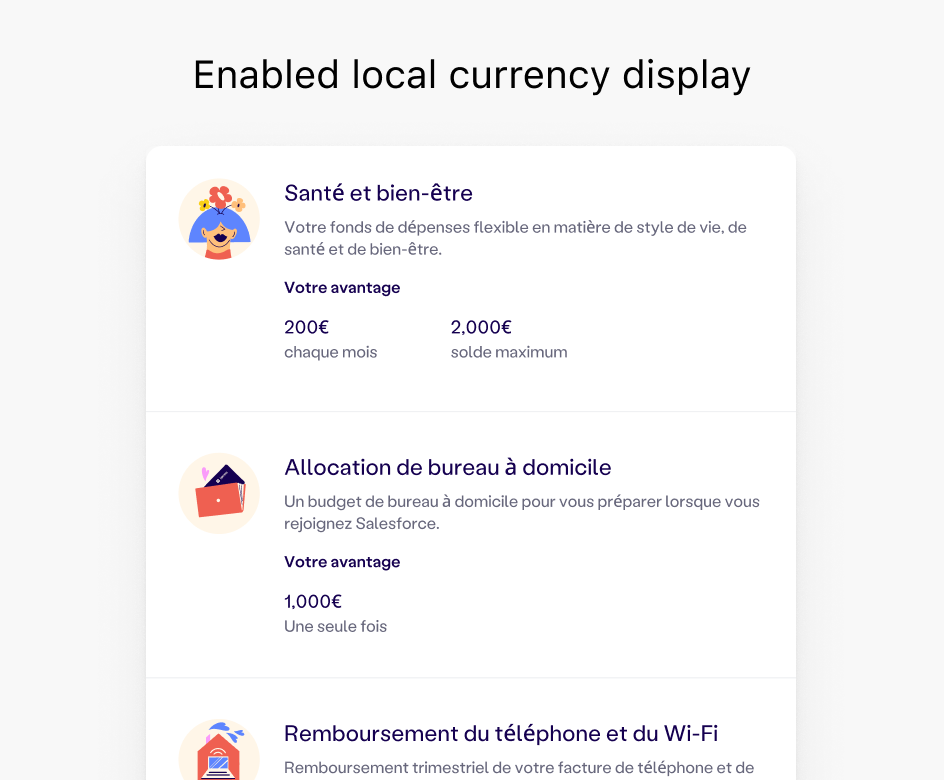
Currency display confusion
Users frustrated by USD-only pricing and manual conversions
User Problem
International users couldn't access their benefits
These barriers led to poor accessibility
Business Problem
Unmet market needs
Clients are frequently requesting that Forma incorporate support for additional languages
Solution
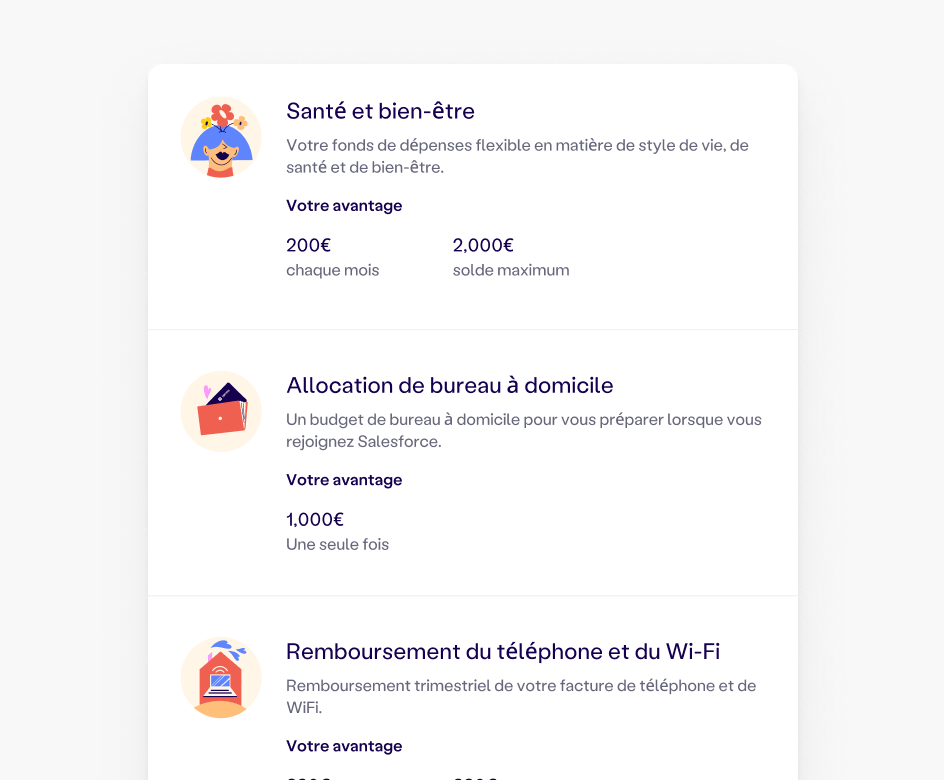
Providing international users with access to their benefits in their own languages, currencies and cultural formats
We implemented 3 features for this challenge
Research
Align & Define
Align
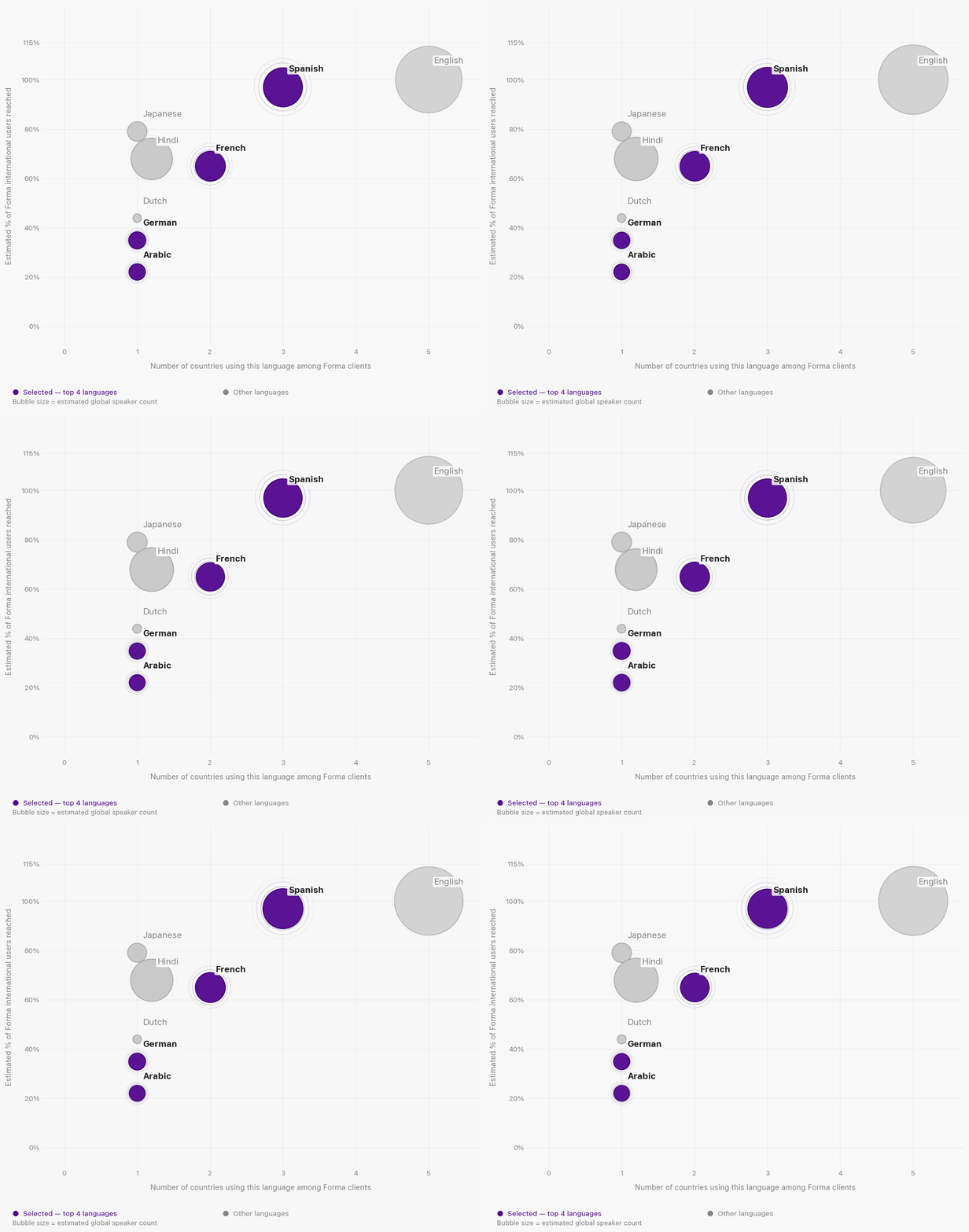
Prioritizing languages by impact
I analyzed our top 10 client countries — looking at languages spoken, official secondary language.
Working closely with the PM, we prioritized four additional languages: Spanish, French, German, and Arabic
Redesigned the user journey
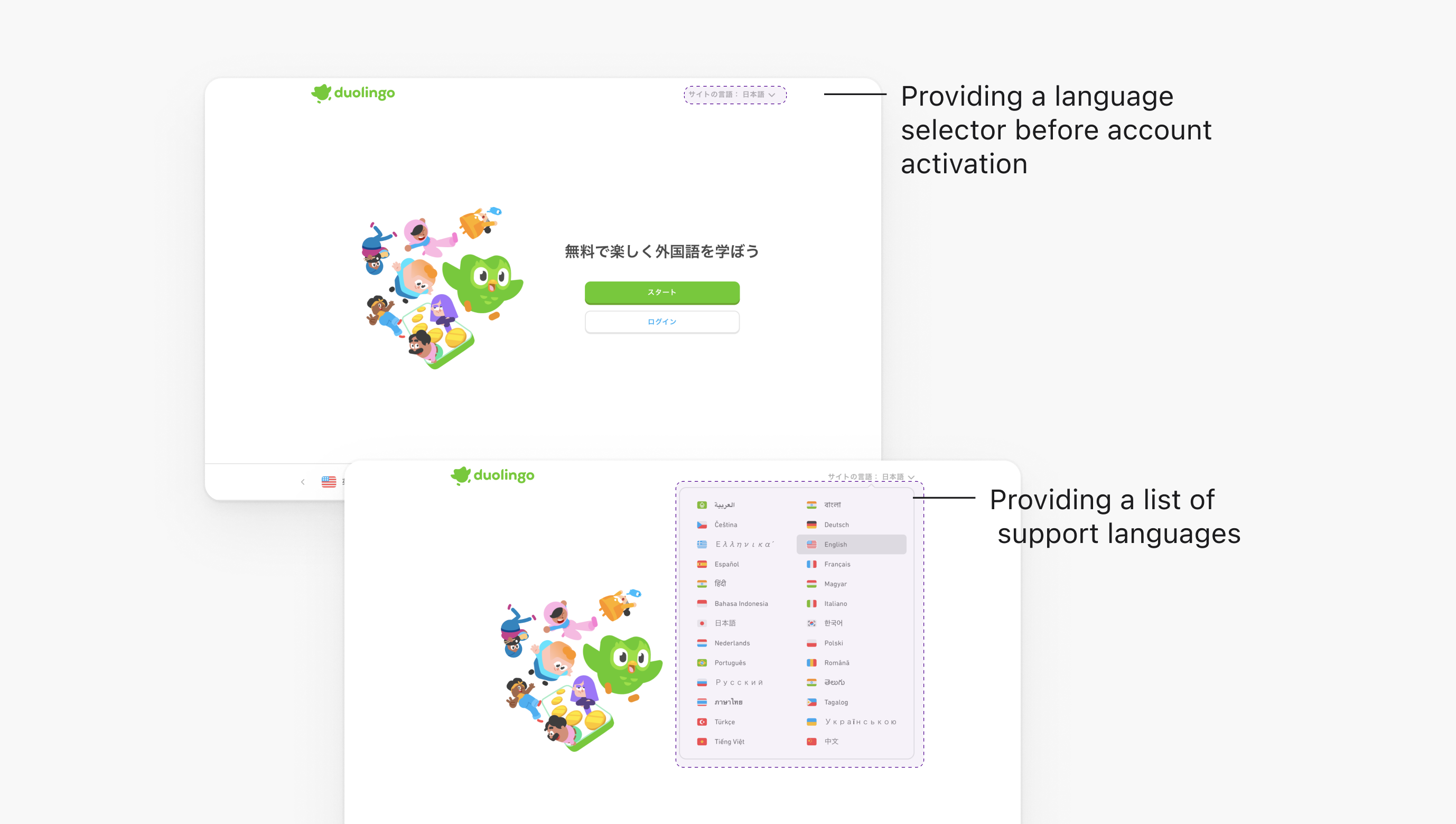
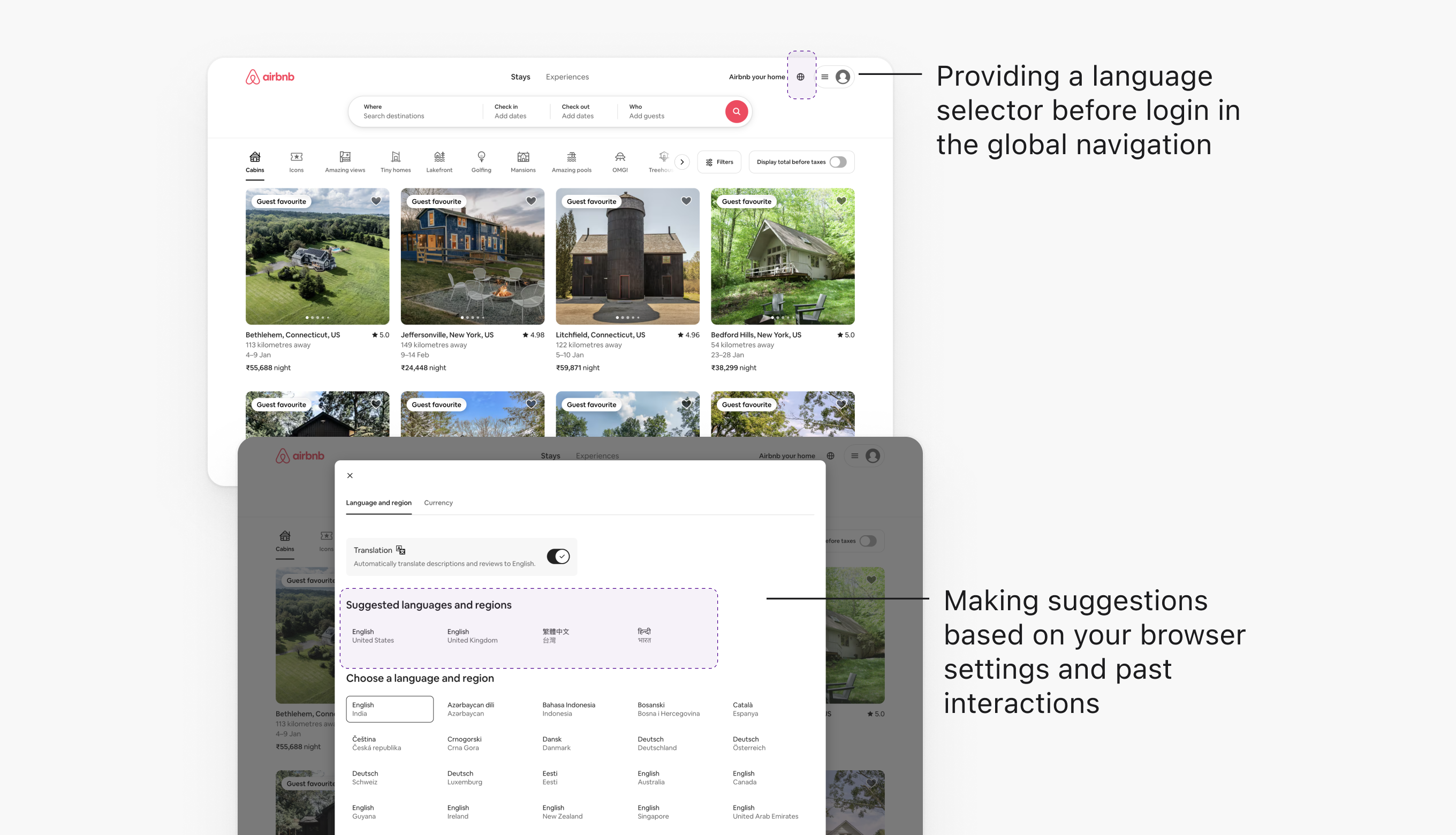
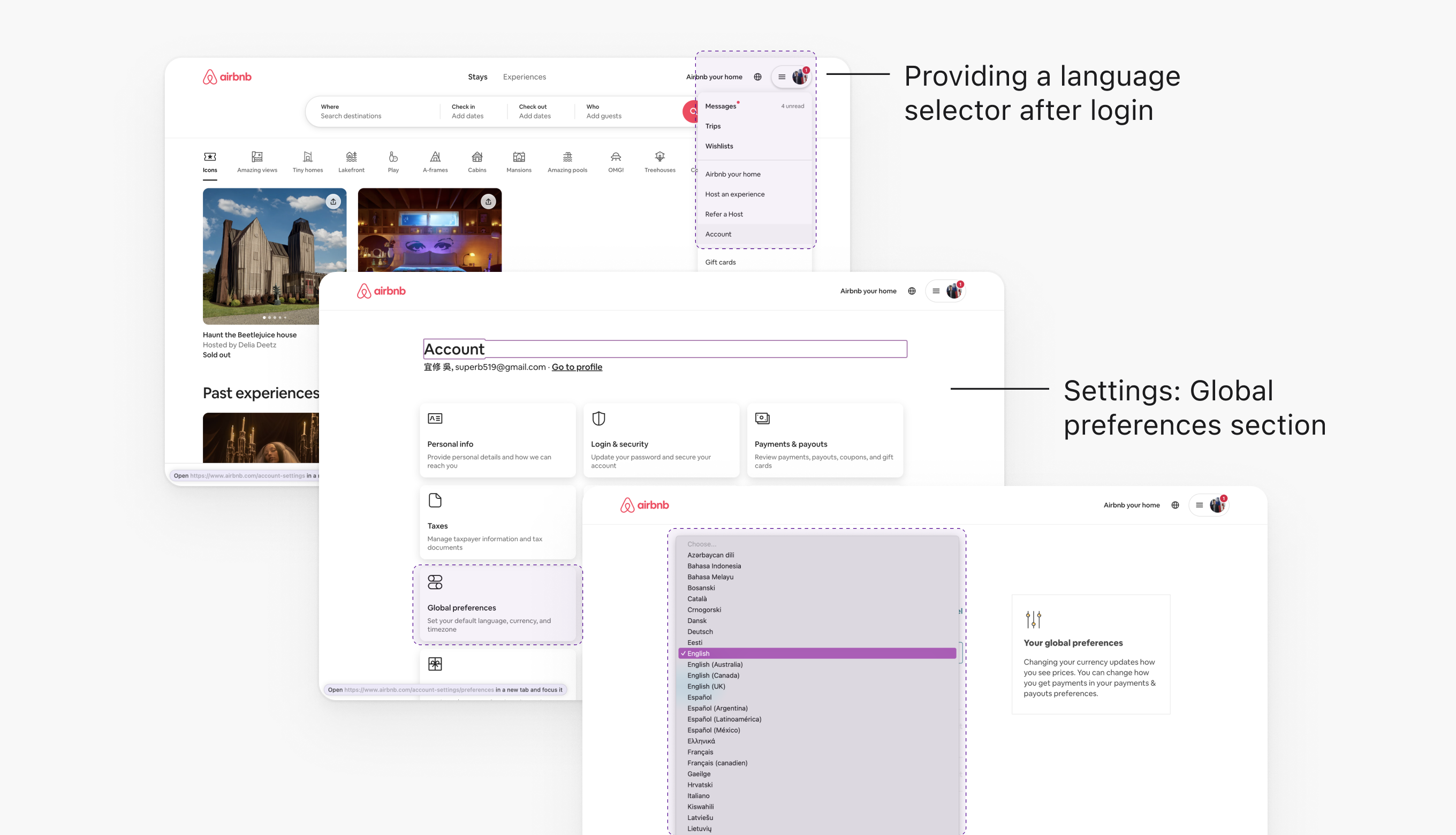
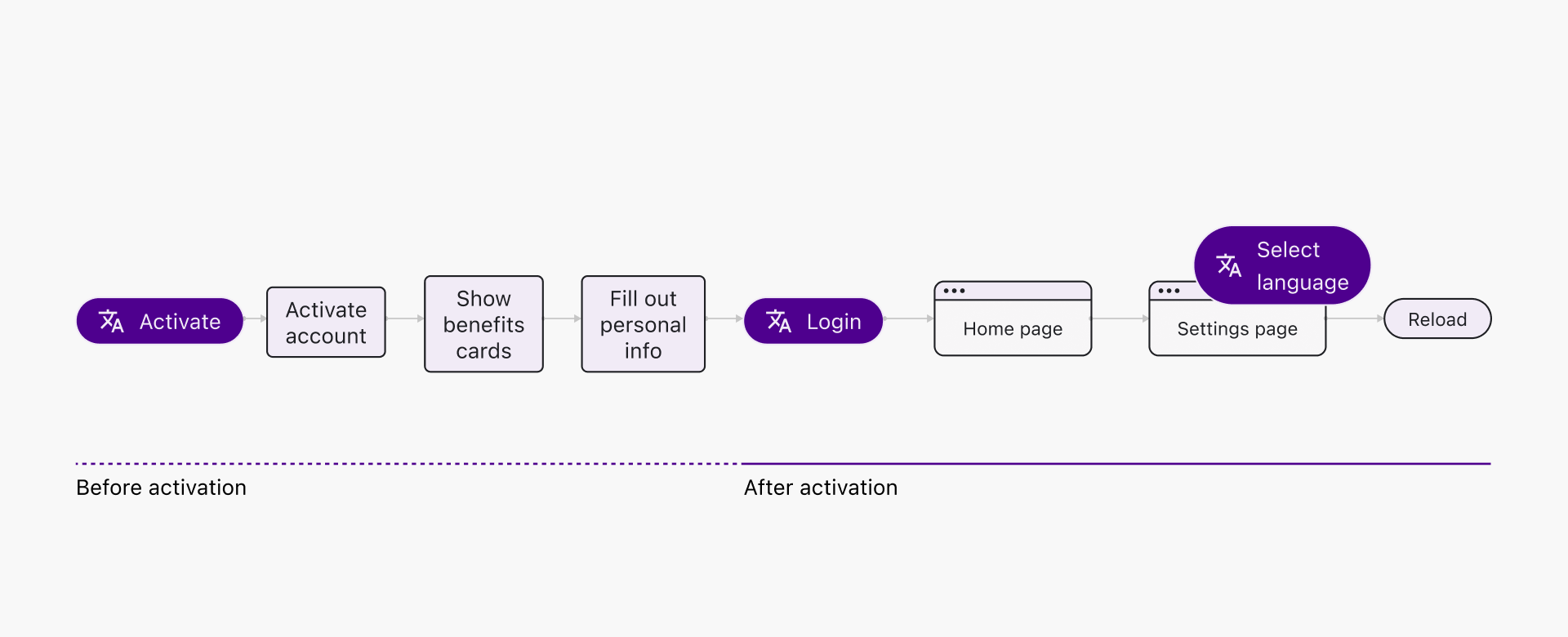
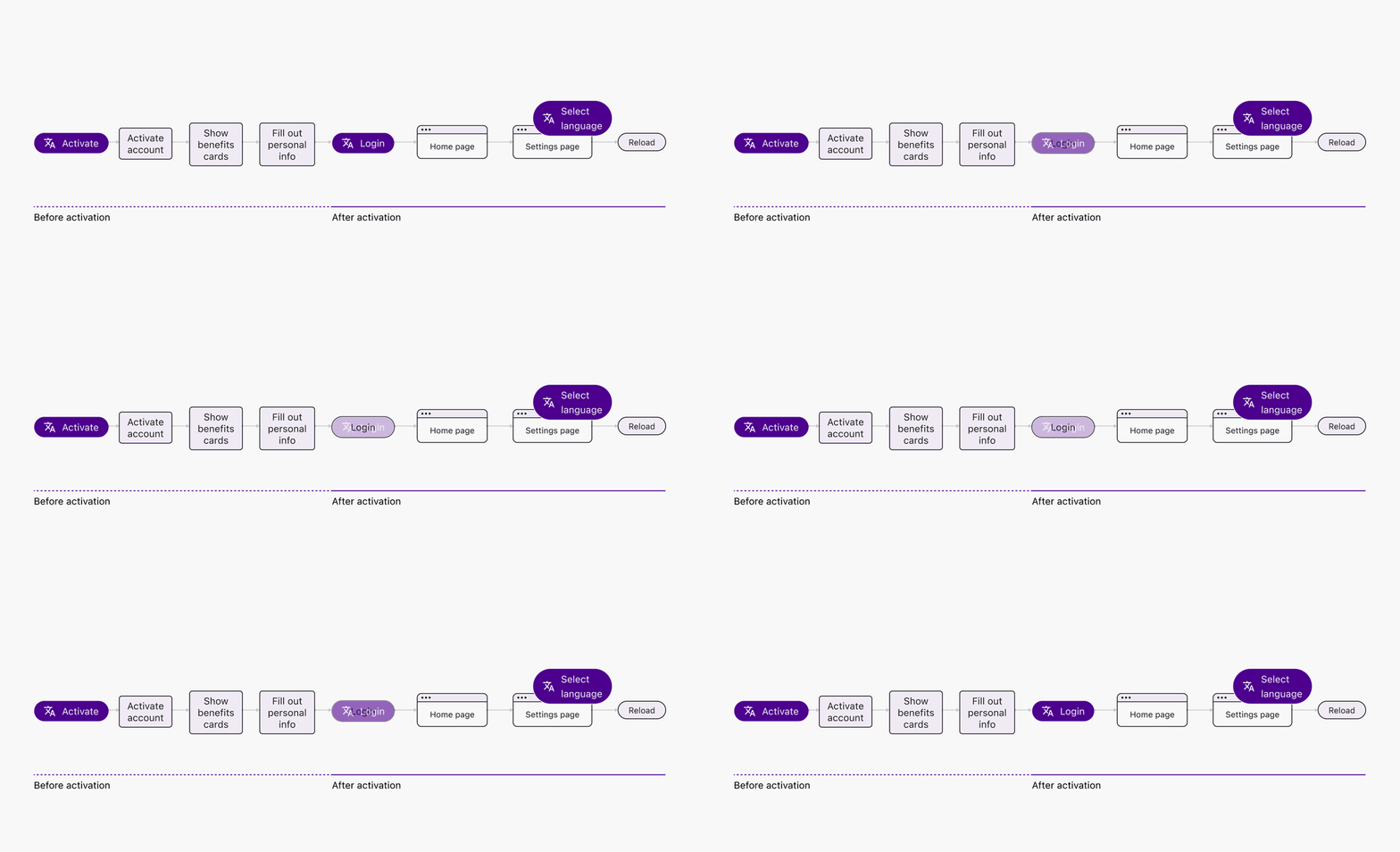
The language selector should appear at three key moments: Before account activation, post login, and the settings page
Feature 1
Implemented multilingual support
Let users access the platform in their preferred language
From components to platform
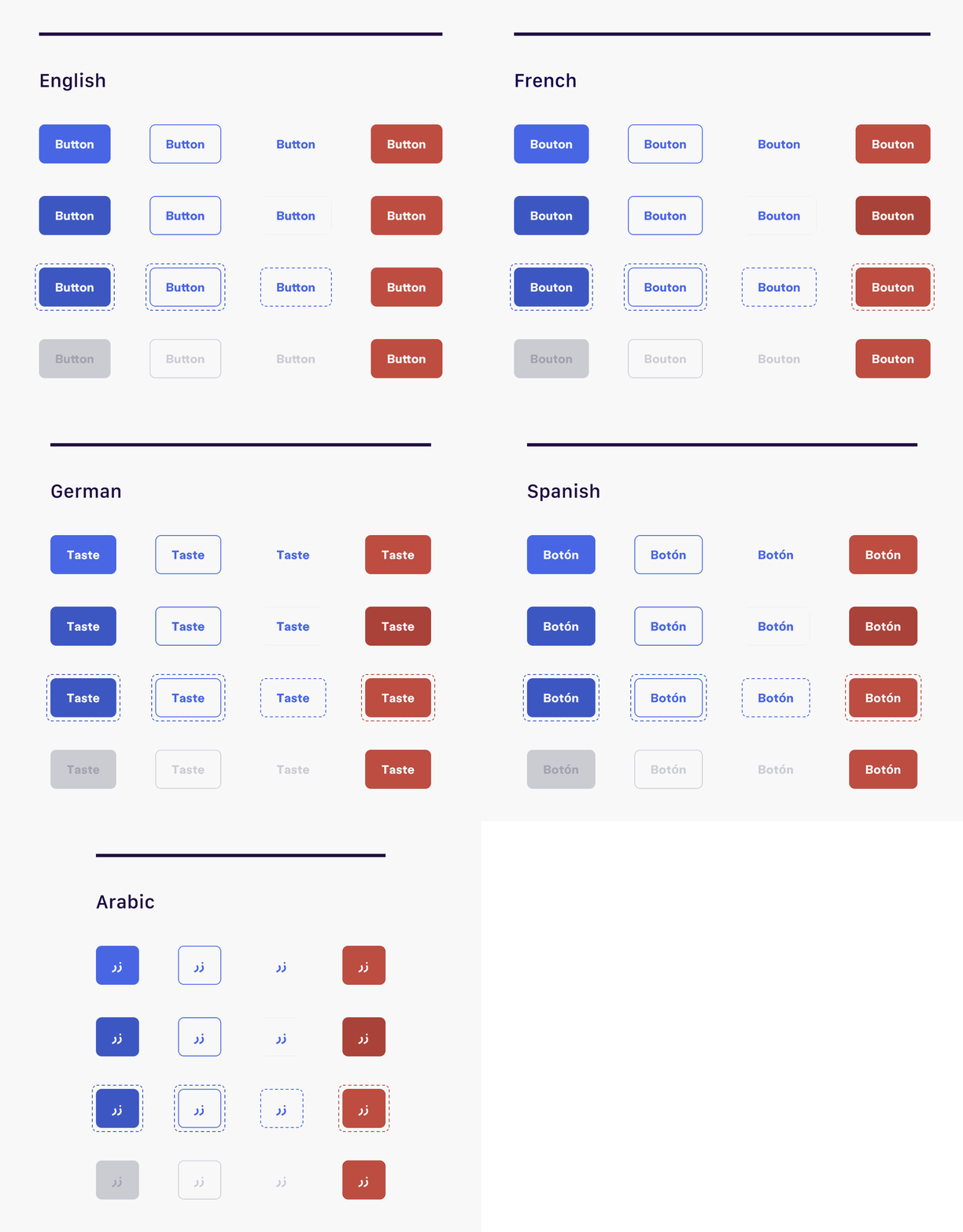
Providing 4 additional languages: French, German, Spanish, Arabic
UI adaptation
Adjusted interface for language-specific space requirements
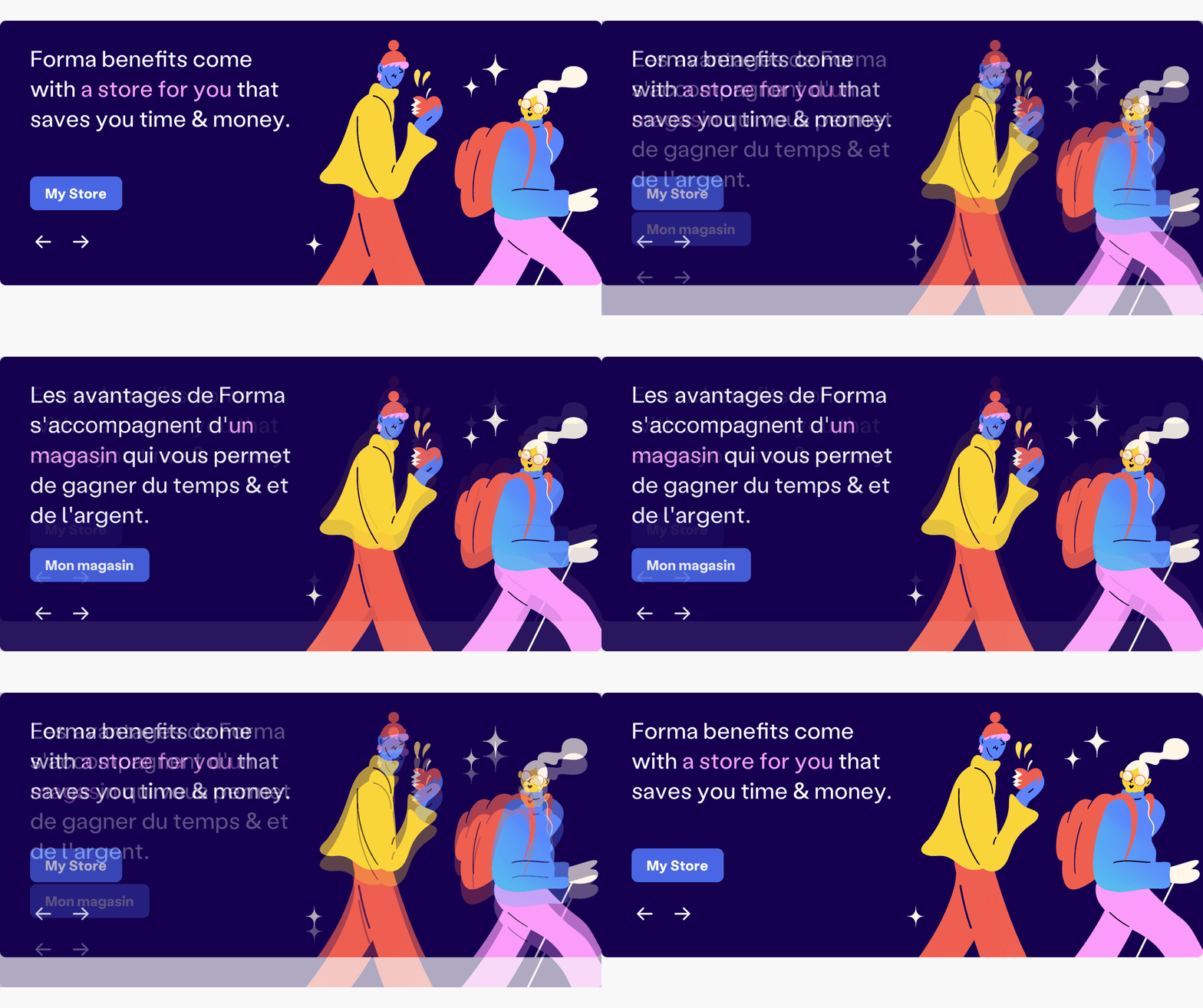
German text can grow 30–50% longer than its English counterparts
QA & Cultural customization
Collaborated closely with development teams to ensure top-notch quality assurance
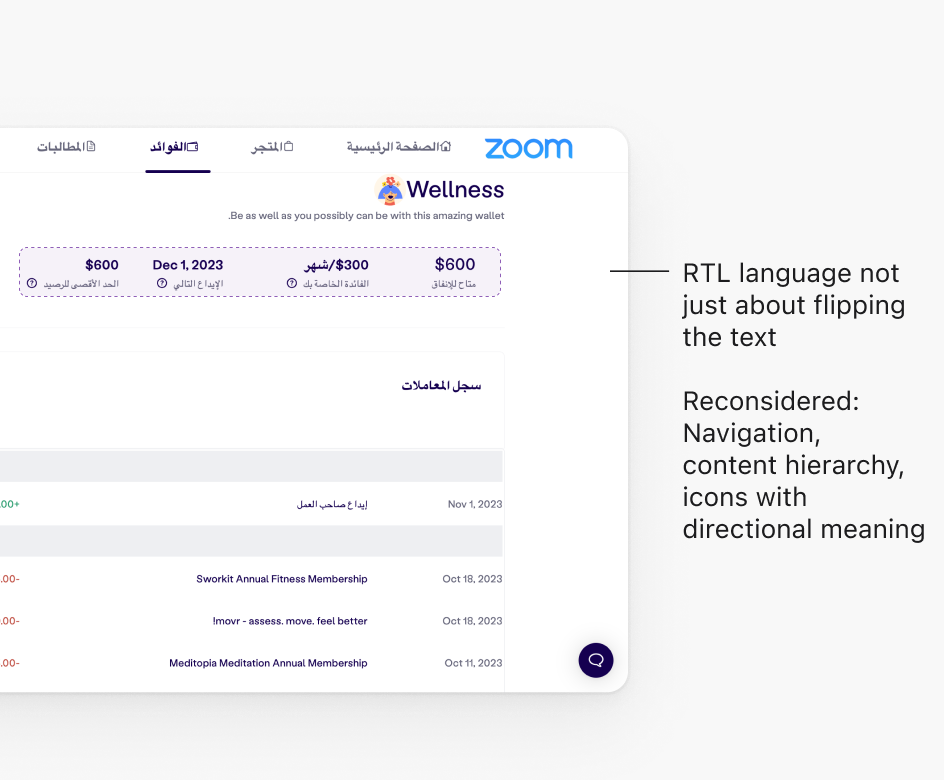
Language selector - Onboarding
System detects the user's country and sets the language automatically
Language selector - Pre-login
The language selector should live in a discoverable position
Language selector - Settings
Persistent language selector within the account settings page
Feature 2
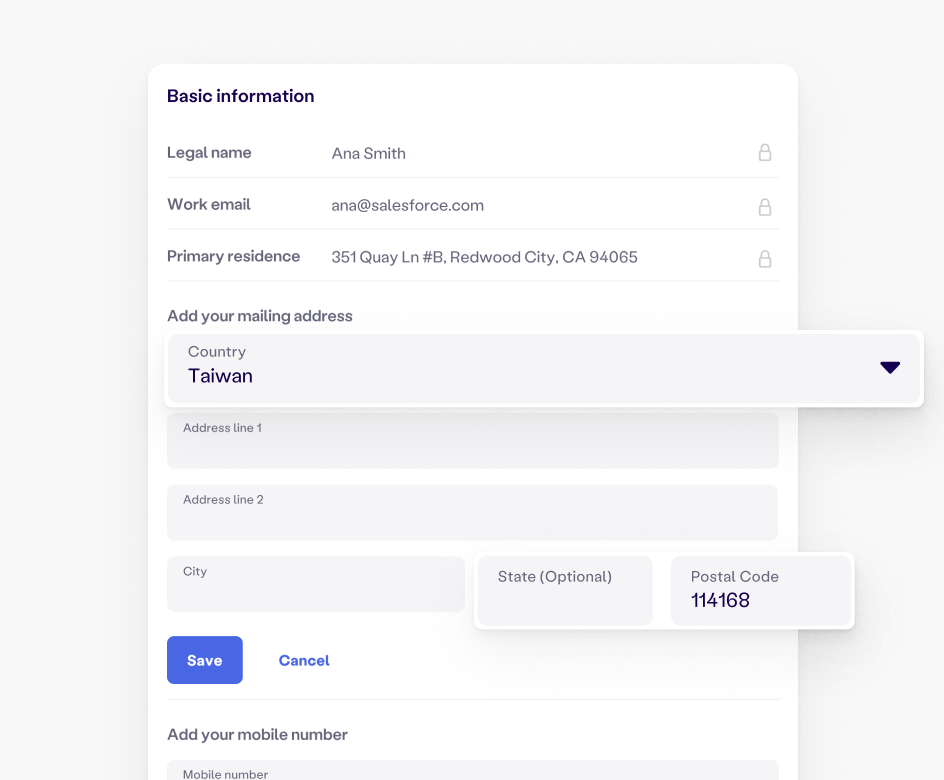
Redesigned address input fields
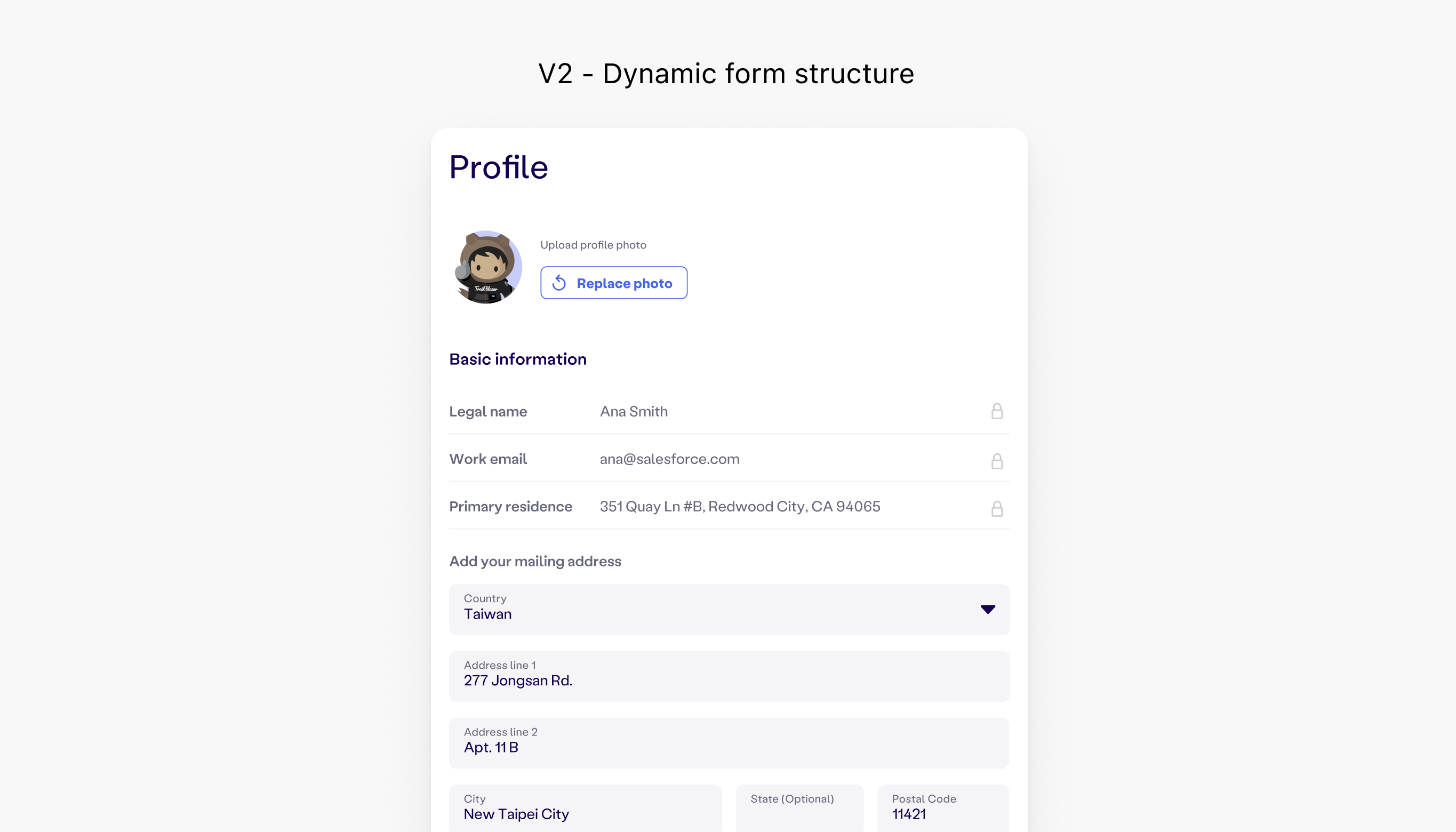
Use the selected country to drive the entire form structure dynamically and supported local address formats
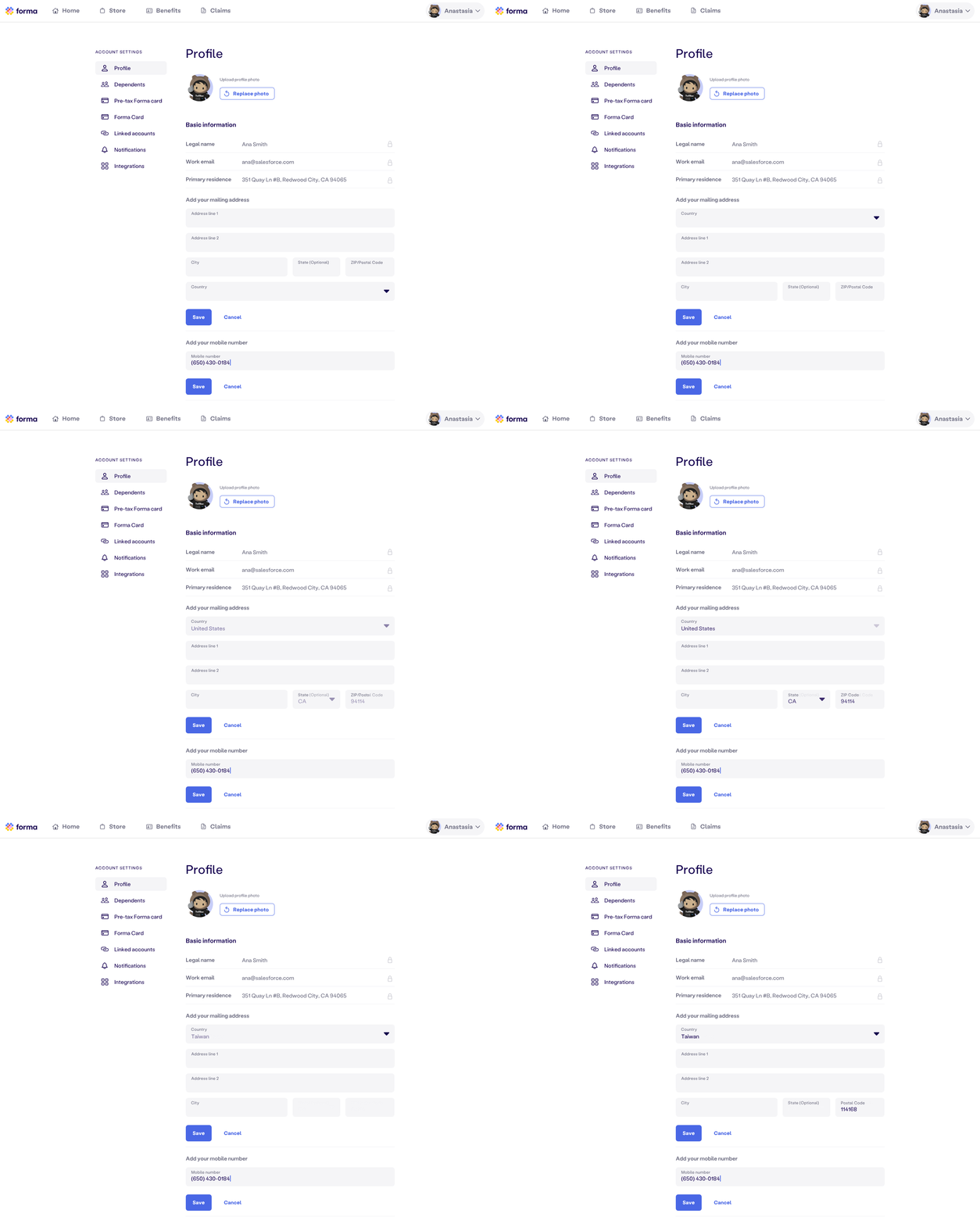
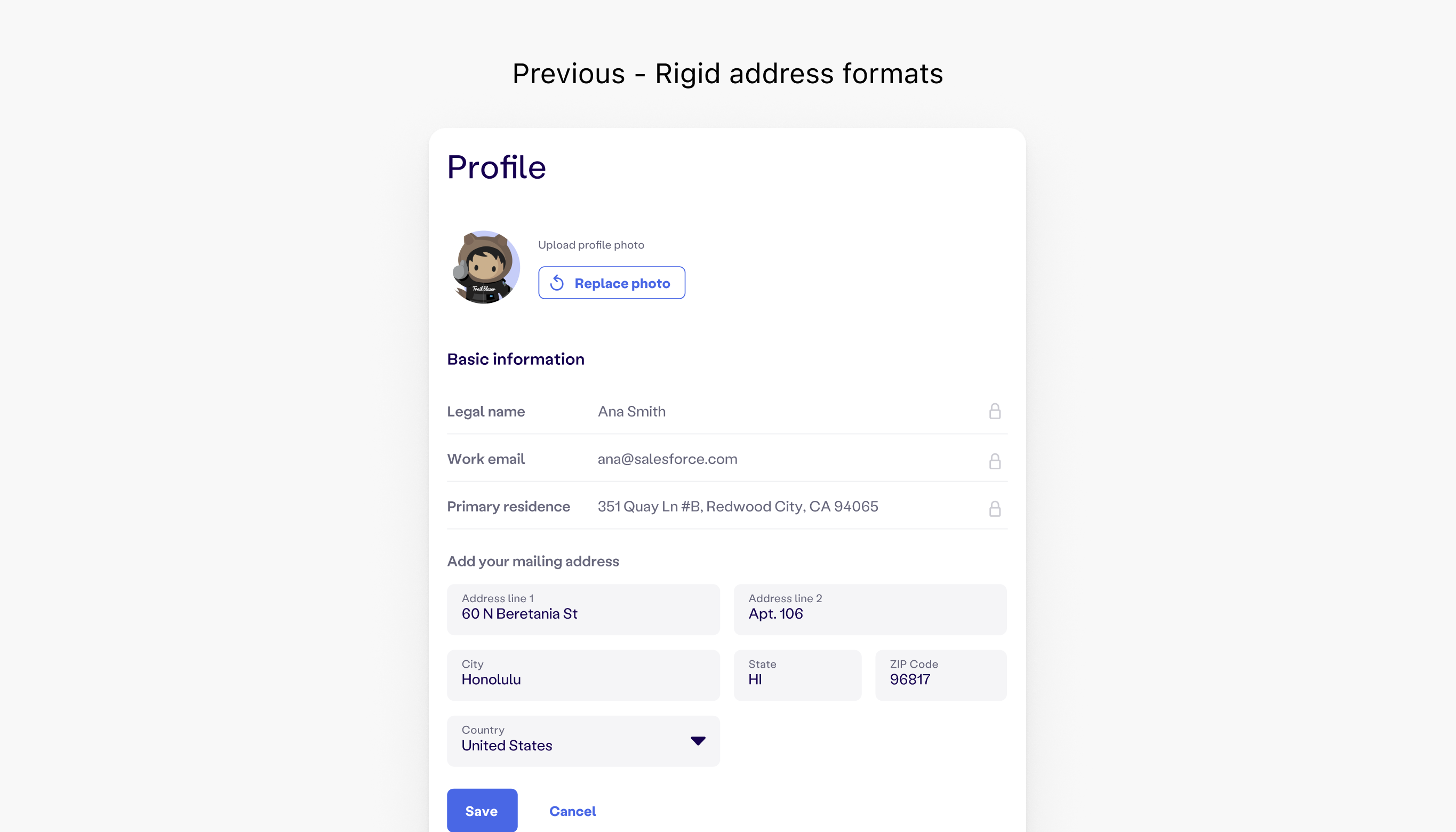
US: State (dropdown), ZIP code
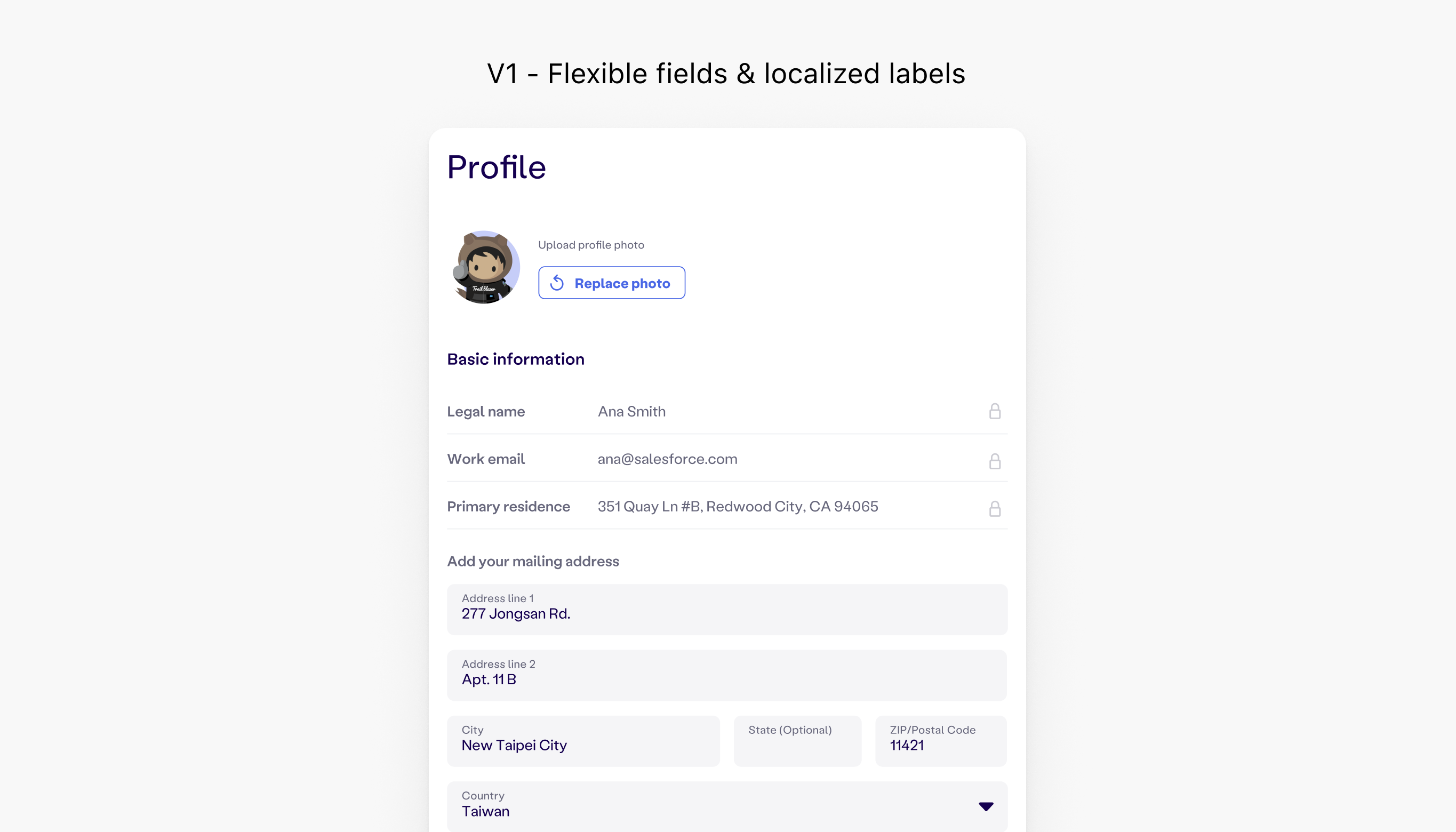
Other countries: State (optional), Postal code
Previous
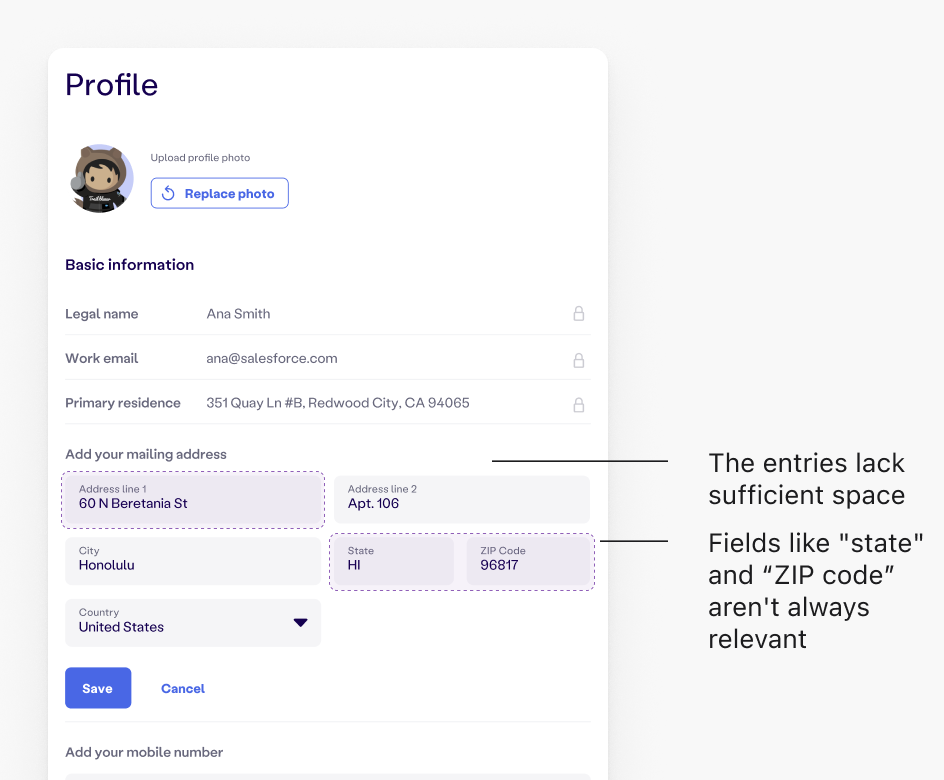
U.S.-centered address formatting
It assumed a U.S. address structure by default, for every user in every country
New
Dynamic address formatting
I expanded address fields to accommodate variable content length across languages
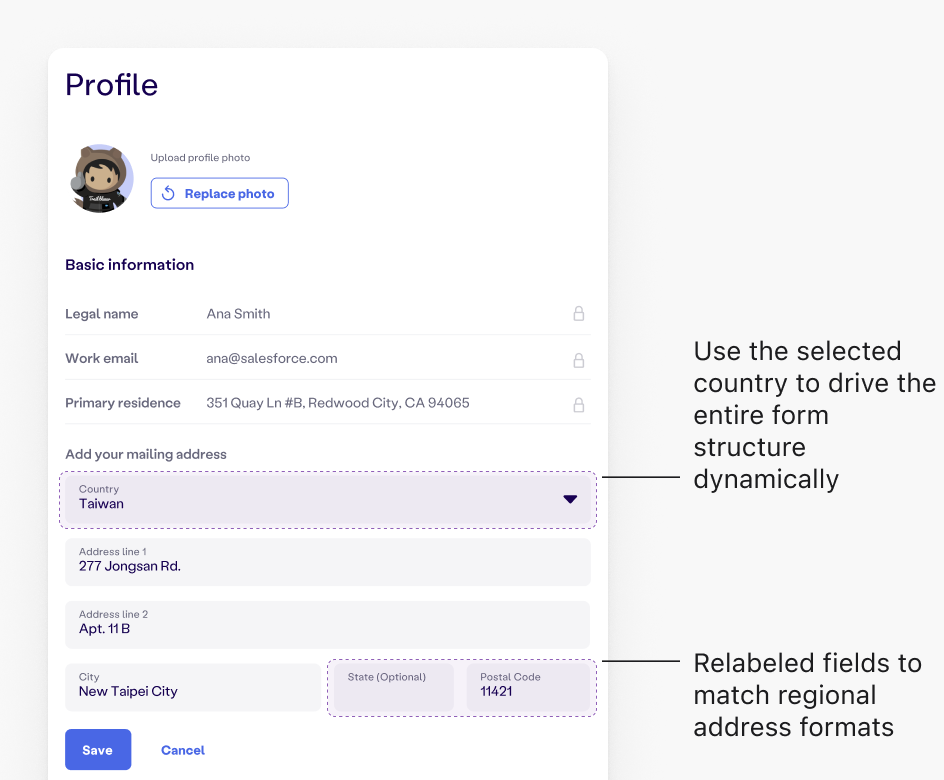
Iteration: Forma's address logic
From rigid to dynamic:
How this project changed Forma's address logic permanently
This approach became the foundation for all address inputs across Forma going forward
Feature 3
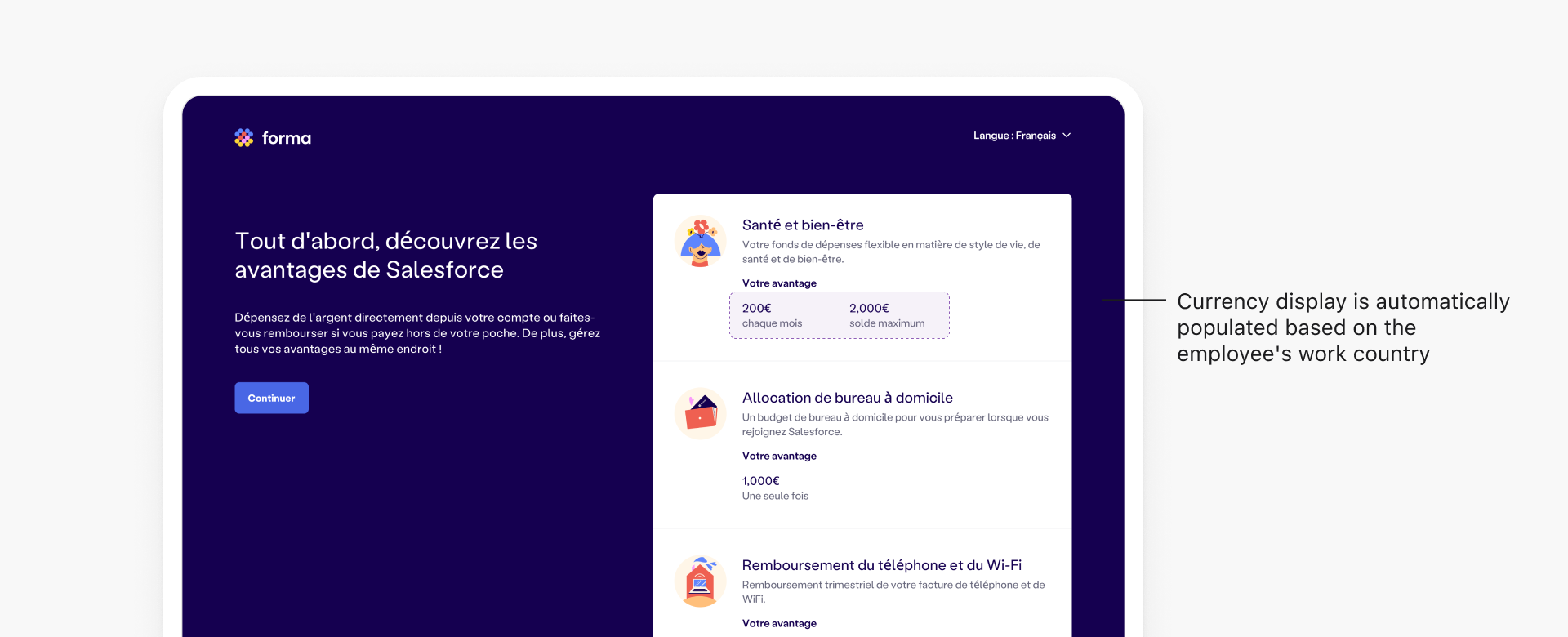
Enable automatic local currency display
Tied directly to where the employee works, pulled from the employee profile configured by the company's HR admin
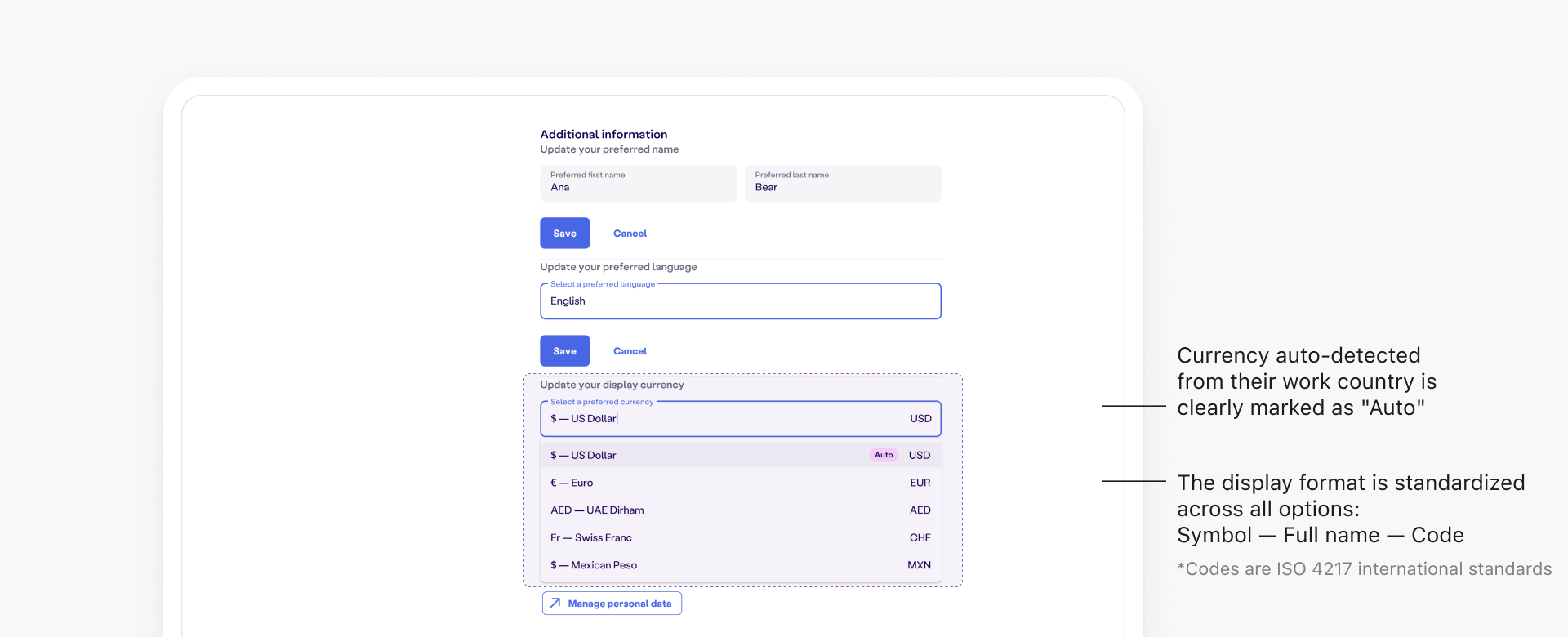
Manual override — currency settings
Employees working across multiple countries can always override it in their account settings
Outcomes
Achievements
After these features launched, here are some outcomes we have achieved
~15K
International users gained native-language access to their benefits

$1M
New revenue through increased engagement

13+
Major companies adopted localization within the first launch cycle
Constraint
Language selector (before login) deprioritized
One of the Language selector feature was planned, but it had been deprioritized due to the scope constraints
Navigated constraints
After a discussion with the design lead, I did 2 actions:
Gathered data
Proving its impact on accessibility
Negotiated with PM
To include this feature as a post-launch improvement
Results
For users
The pre-login selector shipped in the following release
For business
Launched localization on schedule